Garage doors won’t open for several common reasons, including a power issue, a failed control, a lock, or damaged parts. In Faribault, start with safe checks from inside the garage: look at the opener lights and check for anything in the door’s path. Stop if the door looks crooked, heavy, or damaged.
A garage door that stops without warning can trap a car or leave a building less secure. Some causes are simple, such as a remote battery that needs changing. Others involve springs, cables, or moving parts that can cause serious harm. These checks can help narrow down the cause without taking the door apart.
Table of Contents
- Why won’t my garage door open?
- Is the garage door opener getting power?
- Could the remote or wall control be the problem?
- Is the garage door locked or disconnected?
- Can safety sensors keep a garage door from opening?
- Why does the garage door start moving and then stop?
- Could something be blocking or binding the door?
- Could a broken spring or cable prevent the door from opening?
- What should I do if the garage door will not open during an emergency?
- When should I call a garage door repair professional?
Why won’t my garage door open?
A garage door may not open when the opener has no power, a control signal fails, or a lock is engaged. If the door starts to move and then stops, the opener’s travel or force settings may be involved. If it looks crooked, feels very heavy, or has a loose cable, stop using it and get help.
How can someone tell whether the door or opener is at fault?
The garage door opener is the motor and control unit that moves the door. If it makes no sound when someone presses the wall button, there may be a power or control problem. If the motor hums but the door stays still, it may be locked, disconnected, or affected by damaged parts.
Watch and listen from a safe place. A click, hum, flashing light, or brief movement can offer a clue, but none proves the cause. Do not keep pressing the control to make it work. Repeated attempts can strain the opener or make a damaged door move without warning.
What should be checked before trying a reset?
First, make sure people, pets, and objects are clear of the door. Look at the door and tracks from a safe distance. Check whether a manual lock is on or something is caught beneath the door. Do not touch springs, cables, brackets, or parts that look bent or loose.
A reset will not fix a broken spring, a jammed track, or a door that is locked. It may also erase saved opener settings on some models. Faribault Garage Door Repair helps homeowners and property owners work out whether the issue may be with the opener or the door. A careful first look can help explain what is happening without risking an unsafe repair.
Is the garage door opener getting power?
A garage door opener may stop working if its outlet loses power, a breaker trips, or the home has a power outage. Look at the opener lights and nearby outlet from a safe spot. If the outlet or wiring looks damaged, do not touch it; ask a qualified professional to check it.
How can someone check the outlet, breaker, and opener lights?
Look for lights on the opener and note whether they turn on when someone presses the wall control. If the opener plugs into an outlet, check whether the plug looks firmly in place. Do not use a damaged cord, reach inside the motor housing, or test an outlet with exposed wires.
A tripped breaker may affect more than the garage door. If one has tripped, follow the home’s usual electrical safety steps. If it trips again, leave it alone and contact an electrician. A breaker that keeps tripping may point to an electrical issue that a garage door reset will not fix.
Some openers flash a light or display a code when they find a problem. The pattern can differ by model, so check the owner’s manual for help. If the opener has power but the door does not respond, the cause may be a control, a lock, the door connection, or the opener itself.
What can a power outage mean for the door?
During a power outage, an automatic opener may not move the door. Some openers have a manual release that disconnects the door from the opener, but using it is not always safe. A door with a broken spring or other damage can fall or become too hard to lift.
If the power comes back but the opener still does not work, check the maker’s instructions before changing settings. Do not open the motor housing or change its wiring. If the door remains stuck, Garage Door Opener Repair may help find a failed control or motor. Faribault Garage Door Repair can also check the door and opener together, since a problem with one can affect the other.
Could the remote or wall control be the problem?
Yes. A remote may stop working because its battery is weak, its buttons are worn, or its signal does not reach the opener. A wall control can also fail or have a wiring problem. Checking a remote battery is usually safe for a homeowner; touching exposed control wires is not.
Why might a remote stop working when the opener has power?
A remote needs a working battery and signal. If the opener works from the wall control but not from the remote, the remote or its signal may be at fault. Someone can check the battery and try the remote from its usual range.
If it still does not work, the opener may need its remote settings checked. Follow the model’s manual instead of pressing unknown buttons or changing settings at random. Keep children away while checking controls, and never stand beneath a moving door to test them.
How can the wall button and control wiring be checked safely?
Press the wall button once and listen for a click or motor sound. If the opener works from the remote but not from the wall button, the wall control or its wiring may need attention. Do not use a control with a cracked cover, loose parts, or wire that looks damaged.
Do not remove the wall control or handle exposed wires. Low-voltage wiring can still be damaged, and a wiring fault can make the opener act in unexpected ways. A professional can test the control safely and decide whether Garage Door Opener Repair or another repair is needed.
Is the garage door locked or disconnected?
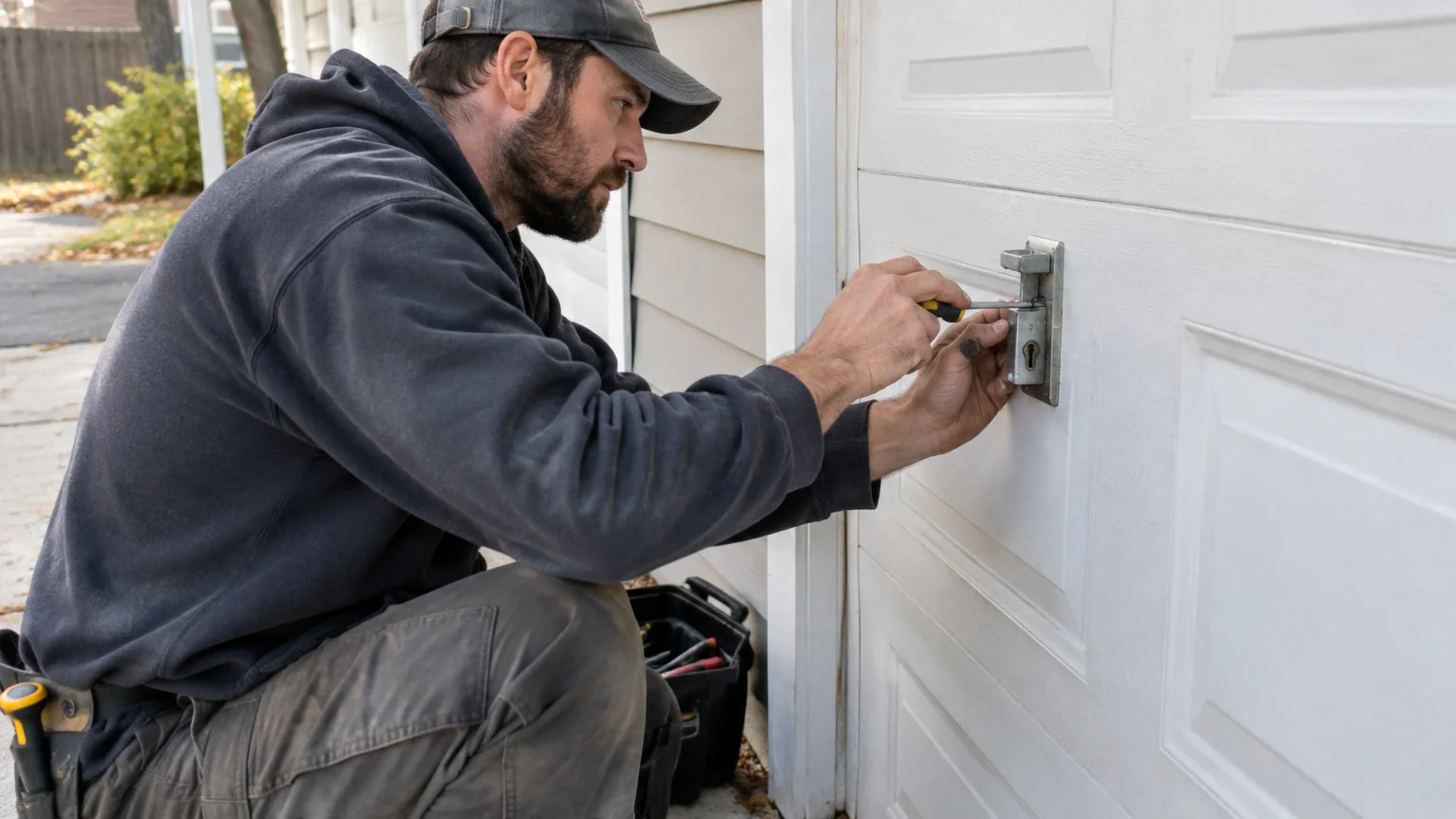
A manual lock or slide bolt can stop a garage door from opening, even if the opener runs. The emergency release disconnects the opener from the door; it does not fix the door or make damaged parts safe. Check for a lock only when the door is still and no parts look damaged.
How can a lock or slide bolt block movement?
Some doors have a manual lock on the inside. A slide bolt may also sit near the edge of the door. If either one is engaged, the opener may strain against it, or the door may not move at all. Look for a visible lock before pressing the opener again.
Never use the opener to force a locked door. Doing so can damage the door, the opener, or both. If the lock is hard to move, looks bent, or seems stuck, stop and have the door checked. A stuck lock can point to a larger issue with the door’s position.
What does the emergency release do, and when is it safe?
The emergency release is usually a handle attached to a cord. It separates the opener from the door so the door can move by hand. That does not mean the door is safe to lift. If a spring has failed or the door is out of balance, it may be too heavy to control.
Use the release only as the owner’s manual says and only when the door looks steady and whole. Keep clear if the door is crooked, partly open, or at risk of dropping. Never pull the release while someone is beneath the door. If the door does not move easily, stop instead of forcing it.
Can safety sensors keep a garage door from opening?
Safety sensors most often stop a garage door from closing when their beam is blocked or out of line. They usually do not stop a door from opening. If the door will not open, sensor lights may offer a clue, but another problem is often more likely.
What can sensor lights and alignment reveal?
Safety sensors are small devices near the bottom of the doorway. They send an invisible beam across the opening. If something blocks that beam, the opener may stop or reverse the door as it closes. Sensor lights that are off or blinking can point to a blocked, dirty, or misaligned sensor.
A homeowner can look for dust, leaves, or other items near the sensors. A soft, dry cloth can wipe the sensor faces. Keep the sensors in place and do not pull their wires. If a sensor is loose, damaged, or still shows a warning, a technician can check its position and wiring.
Why do sensor problems more often stop closing than opening?
The sensor system helps keep the door from closing on a person, pet, or object. When the beam is blocked, the opener may refuse to close or may reverse after it starts down. This safety response is different from the usual causes of a door that will not open.
If the door opens but will not close, look for an object in the doorway and check for dust on the sensor faces. Do not bypass the sensors or hold the wall button to get around them. That removes a safety feature. Garage door sensor alignment and Garage Door Maintenance can help address repeated sensor problems safely.
Why does the garage door start moving and then stop?
A door that starts moving and then stops may meet resistance or reach a limit set by the opener. Travel limits tell the opener where the door should stop. Force settings tell it how much resistance to allow before it stops. Wrong settings can affect movement, but damage or a jam can cause similar signs.
How do travel limits affect where the door stops?
If a travel limit is wrong, the opener may stop before the door reaches its usual position. The door may start to move, stop too soon, or act differently each time. The signs depend on the opener model and on whether the door is opening or closing.
Changing settings without knowing the cause can leave the door in an unsafe spot. The door must stay on its tracks and stop as it should. Use the owner’s manual for basic information, but do not adjust controls to force a door past a jam or damaged part. A technician can check the settings and how the door moves.
How do force settings respond to resistance?
Force settings guide how the opener reacts when the door meets resistance. If the door is binding or heavy, the opener may stop instead of moving it. Raising the force to make it move can hide the real problem and put more strain on the door and opener.
Stop testing if the door jerks, stalls, or makes a new grinding sound. Do not keep changing settings or pressing the control. A professional can check whether the door moves freely and whether the opener settings suit it. Garage Door Opener Repair may be needed if the opener cannot move a door that is otherwise safe to use.
Could something be blocking or binding the door?
Yes. Debris, a bent track, or a roller out of line can stop the door from moving smoothly. Someone can look for visible objects and debris from a safe distance. A door that looks crooked, rubs against a track, or feels very heavy needs professional help.
How can debris, tracks, and rollers affect travel?
A small object near the door can block its path. Dirt or debris in a track can also affect how it moves. Rollers guide the door along the tracks; a damaged or displaced roller may make the door wobble, scrape, or stop.
A homeowner can move loose items off the floor and clear visible debris without reaching into a track. Do not bend a track back, pull on a roller, or force the door past a jam. If a track looks bent or a roller is loose, the door could move suddenly or come off its track.
Why is an unusually heavy door a warning sign?
A garage door should not seem to carry all its weight through the opener. A door that feels much heavier than usual may have a broken spring or another balance problem. An opener cannot make damaged parts safe by pulling harder.
Do not try to lift a heavy door or test its balance. Keep people clear and stop using the opener. A door off its track can also shift or fall. Garage Door Off Track Repair may be needed if rollers have left the track or the door sits unevenly. Have a trained professional check it before anyone tries to move it.
Could a broken spring or cable prevent the door from opening?
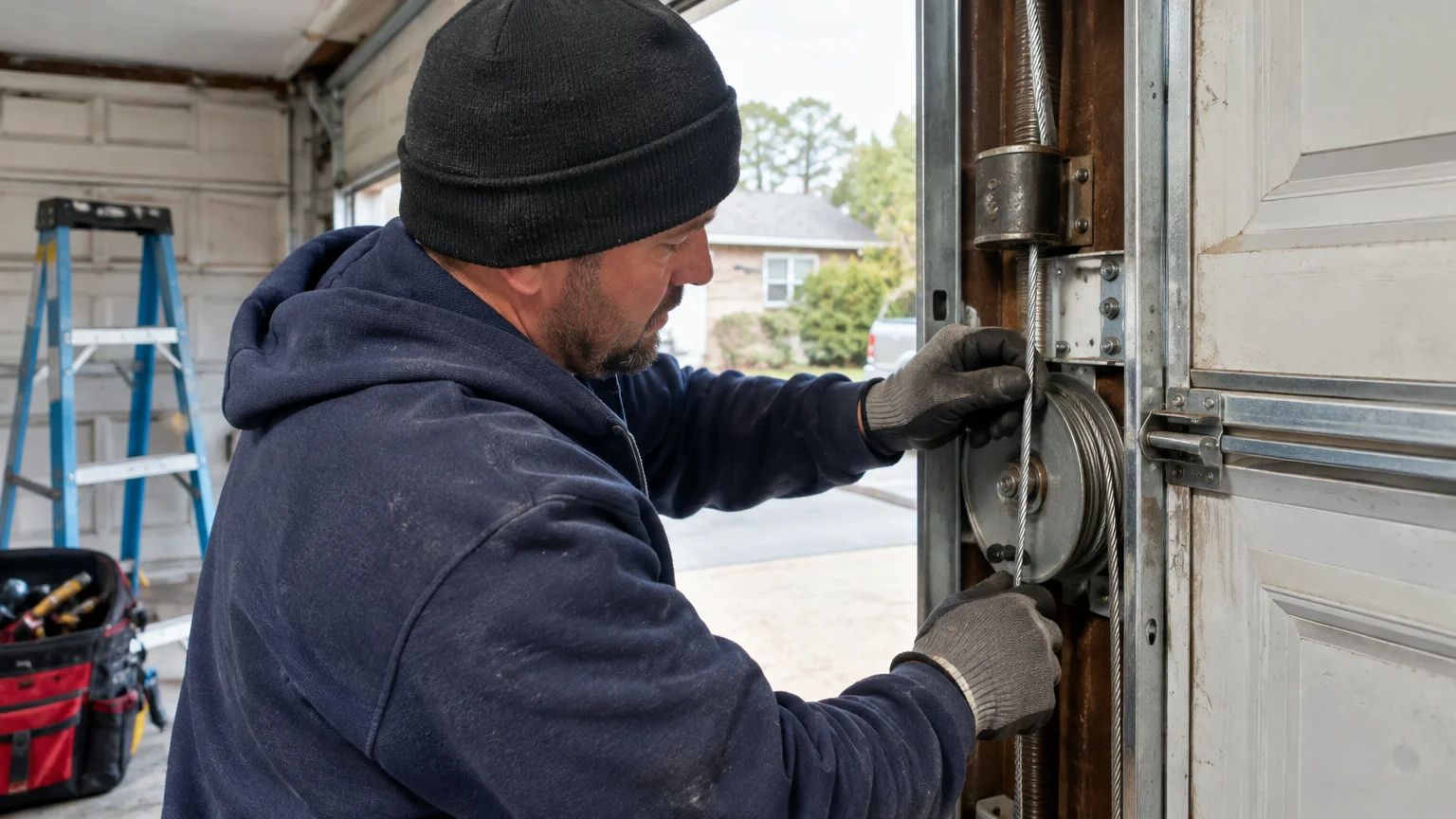
Yes. A broken spring or lift cable can make a garage door too heavy or unsafe to move. Springs and cables help hold the door’s weight. If one breaks, stop using the opener and stay clear. Do not lift, repair, or adjust these parts yourself.
What are signs of a spring or cable failure?
A loud bang may happen when a spring breaks, though a noise alone cannot prove the cause. Other warning signs include a gap in a spring, a loose or hanging cable, a crooked door, or a door that stops and feels heavy. A damaged door may also sit unevenly or fail to stay in place.
Do not touch a spring, cable, or bottom bracket. These parts can be under strong tension. A cable may snap or shift, and a spring can release force without warning. Keep children and pets away, and do not operate the door by remote, wall button, or hand.
Why should trained professionals handle damaged hardware?
Spring and cable work involves parts under high tension. One wrong move can make the door fall or a part hit someone. The work calls for the right tools, training, and care. A safe repair means checking the whole door system, not only replacing the part that looks broken.
A homeowner does not need a professional to check remote batteries, clear loose debris, or wipe sensor faces. But damaged springs, lift cables, bottom brackets, and off-track doors need a trained repair professional. Garage Door Cable Repair can address cable problems. A technician can also check whether the spring, tracks, rollers, or opener need care.
What should I do if the garage door will not open during an emergency?
Keep people clear of the door and use another safe exit if one is open. Do not force the door or try to lift it if it is heavy, crooked, or damaged. If someone is in immediate danger, contact local emergency services instead of trying to repair the door.
How can people, vehicles, and property stay safe?
First, keep children and pets away from the door and tracks. Do not stand beneath a partly open door or park under one that could move. If a car is trapped inside, do not pull the emergency release unless the door looks stable and the manual says it is safe.
If the home or business cannot be secured, move people to a safe area and secure other entry points if possible. Do not leave an unstable or partly open door where people can reach it. Avoid using another opener control to test a door that may have damaged parts.
When should troubleshooting stop?
Stop right away if the door is crooked, a cable is loose, a spring looks broken, or the opener strains without moving the door. Also stop if the door drops, jerks, or makes a new grinding or snapping sound. These signs need more than simple checks.
During an urgent problem, tell the repair professional whether the door is open or closed, what sounds it makes, and whether it looks uneven. Mention any visible cable or spring issue. Do not touch damaged parts to get a closer look. Faribault Garage Door Repair serves Faribault, including Medford, Morristown, Northfield, Lonsdale, and nearby communities. The next step should be a safe check, not more attempts to force the door.
When should I call a garage door repair professional?
Call a professional when safe checks do not explain the problem, the opener strains, or any part of the door looks damaged. Spring, cable, track, and wiring repairs are not safe homeowner jobs. A prompt check can help restore safe use and keep a small fault from causing more damage.
What details should someone note before requesting service?
Note whether the opener makes a sound, whether its lights turn on, and whether the door moves at all. Mention any flashing lights or visible blockage. These details can help a technician narrow down the cause, but they do not replace an in-person check.
Also say whether the door is stuck open or closed and whether anyone needs access to a car or building. Point out any loose cable, broken spring, bent track, or recent impact. Do not touch damaged parts to get a closer look. If the door is not stable, keep everyone away until help arrives.
How can prompt diagnosis help restore reliable operation?
A door and opener work as one system. The problem may be a control, a blocked path, or damaged parts. A technician can check the door’s movement and the opener’s response before deciding what needs repair. This can stop a settings change from hiding a mechanical fault.
For homeowners and property owners Faribault Garage Door Repair can help find a safe next step. Garage Door Opener Repair may address an opener fault, while Garage Door Maintenance can help with care and checks. If your garage doors won’t open and the door looks unsafe, Contact us today to arrange help.
Key takeaways
- Check power, controls, locks, and visible blockages only when the door is still and safe.
- Sensor trouble more often stops a door from closing than from opening.
- Do not force a door that is crooked, heavy, or making new sounds.
- Leave springs, cables, bottom brackets, and damaged tracks to trained professionals.
Frequently Asked Questions
Can someone open a garage door when the power is out?
Some doors can be disconnected from the opener with an emergency release, but that does not make every door safe to lift. A broken spring or damaged cable can make the door very heavy. Follow the owner’s manual and stop if the door looks damaged or does not move easily.
Why does the garage door opener hum but not open the door?
A humming opener may be trying to move a locked, jammed, or damaged door. It may also point to a problem with the opener itself. Stop pressing the control, especially if the door looks crooked or feels heavy. A professional can check the door and opener without forcing movement.
Can dirty safety sensors stop a garage door from opening?
Dirty or misaligned sensors usually affect closing, since they help stop the door from closing on something in its path. Wiping visible dust from the sensor faces is a safe check. Do not move the sensors or bypass them. If the door still acts strangely, arrange a proper check.
Is it safe to lift a garage door with a broken spring?
No. A broken spring can leave the door very heavy and hard to control. It may drop or shift without warning. Do not lift it, operate the opener, or try to repair the spring. Keep people clear and have a trained garage door professional check it.
What should someone do if the door is stuck open?
Keep people away from the door and do not stand beneath it. If it is crooked, unstable, or has a loose cable, do not try to close it by hand. Secure other entry points if possible and get help from a garage door repair professional.
If you are not sure what is wrong, have the door checked before trying to move it. A safe diagnosis can help protect people and prevent more damage. Faribault Garage Door Repair serves homeowners, business owners, and property owners.
If you are not sure what you are dealing with, it is worth having someone look at it before it turns into a bigger job. Get in touch with Faribault Garage Door Repair today and we will tell you where you stand.